
 By Kristina Spiridonova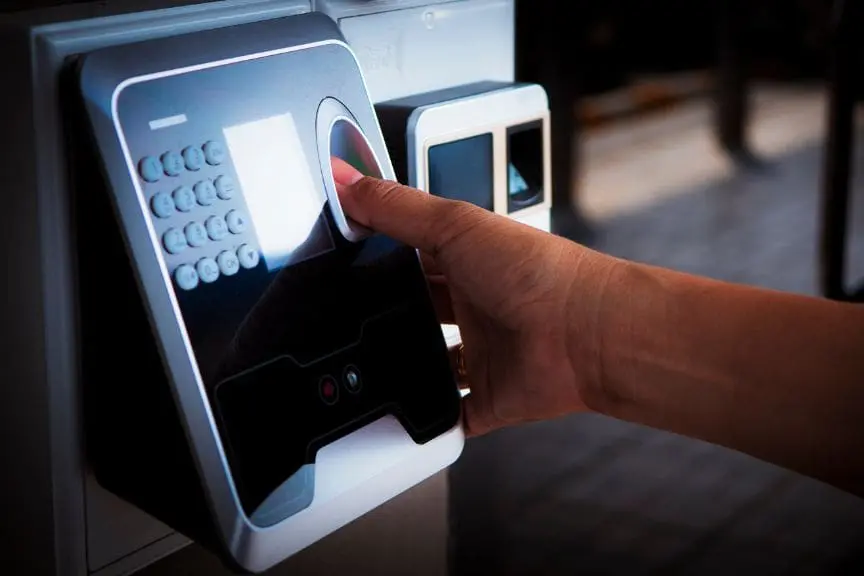
Restricted areas need controlled entry methods that match the level of protection required. Biometric access uses unique physical traits to verify identity before entry is allowed. Fingerprints, facial patterns, or hand details can limit access to approved staff while creating records for review. Strong planning helps businesses connect entry controls with reliable security systems through san antonio business security systems.
Controlled Entry For Secure Zones
Biometric devices check a registered trait before entry to a protected room. This reduces reliance on cards that may be misplaced or shared. Each identity receives an entry level based on duties. Proper placement helps guard storage rooms, records, and sensitive sections.
Accurate Identity Checks Improve Control
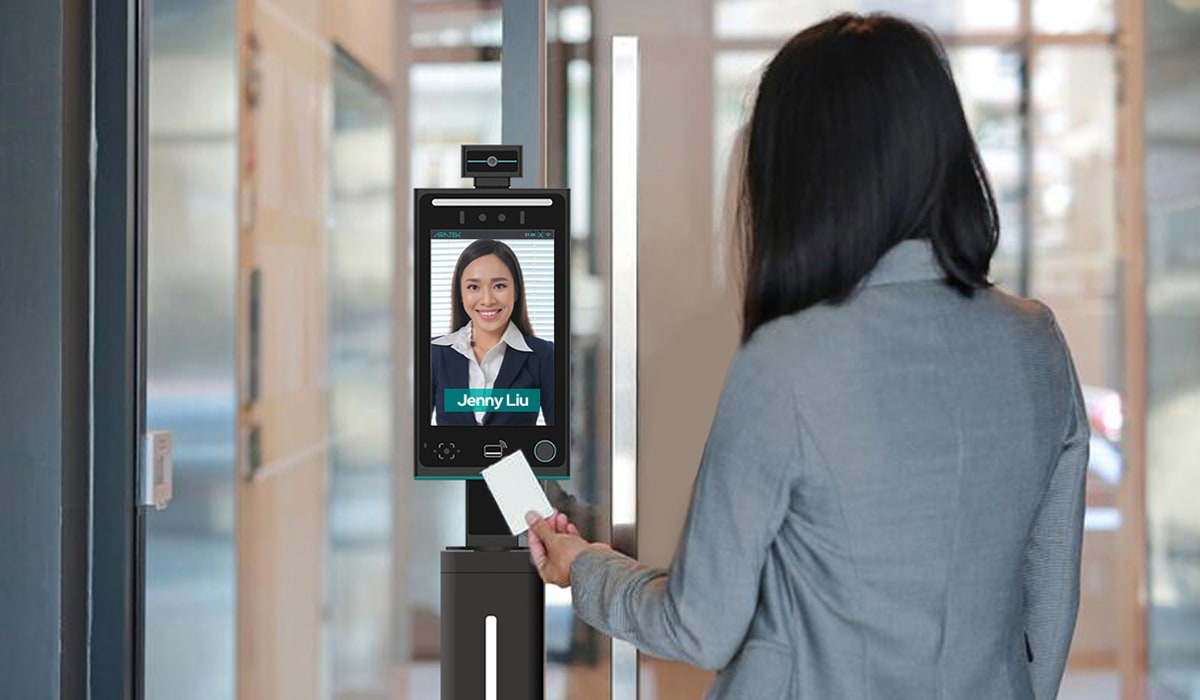
Fingerprint recognition confirms identity through a stored reference during entry. Facial matching supports hands-free verification where equipment is installed. Hand geometry offers another option when fingerprint use is unsuitable. These methods create consistent checks without manual inspection.
Permissions Stay Closely Managed
Entry rights should match current duties so former permissions become inactive. Managers can review credentials whenever roles change, or needs are updated. A simple control plan can include:
- Review all active credentials after every staff role change
- Remove unused permissions when duties no longer require entry
- Check stored records for unusual access patterns each week
- Confirm reader operation during each scheduled facility inspection round
- Update approved identities after authorized personnel changes are confirmed
Regular permission reviews keep assigned entry rights aligned with duties.
Records Support Better Oversight
Biometric entry records can show who requested entry at a time. Managers can compare records with approved schedules during reviews. Security teams can use clear records to support timely checks. These capabilities make san antonio business security systems a strong choice for connecting entry records with wider protective measures.
| Control area | Useful purpose |
| Identity enrollment | Confirms personnel |
| Permission review | Aligns duties |
| Entry records | Supports checks |
| Reader placement | Covers points |
| Credential removal | Removes outdated permissions |
Strong Planning Supports Safer Operations
Setup starts by identifying rooms needing tighter entry control. Managers can select reader types suited to routines and building conditions. Clear rules should state who receives permission and when credentials end. Planning also connects physical entry controls well with dependable security systems.
Sound safeguarding depends on enrollment and permission changes. Suitable placement supports record checks. Response procedures help manage unusual requests. Administrators should define authorized personnel clearly prior to granting privileges. Outdated credentials require removal after role changes. Managers should inspect unusual activity promptly.
FAQ
Can biometric devices limit entry to approved personnel safely?
Yes, verified checks can restrict entry to registered personnel.
Are biometric records useful during unusual entry review checks?
Yes, stored records can confirm timing and identity details.
Can businesses adjust permissions after staff role changes quickly?
Yes, administrators can update entry rights when responsibilities change.