
 By Kristina Spiridonova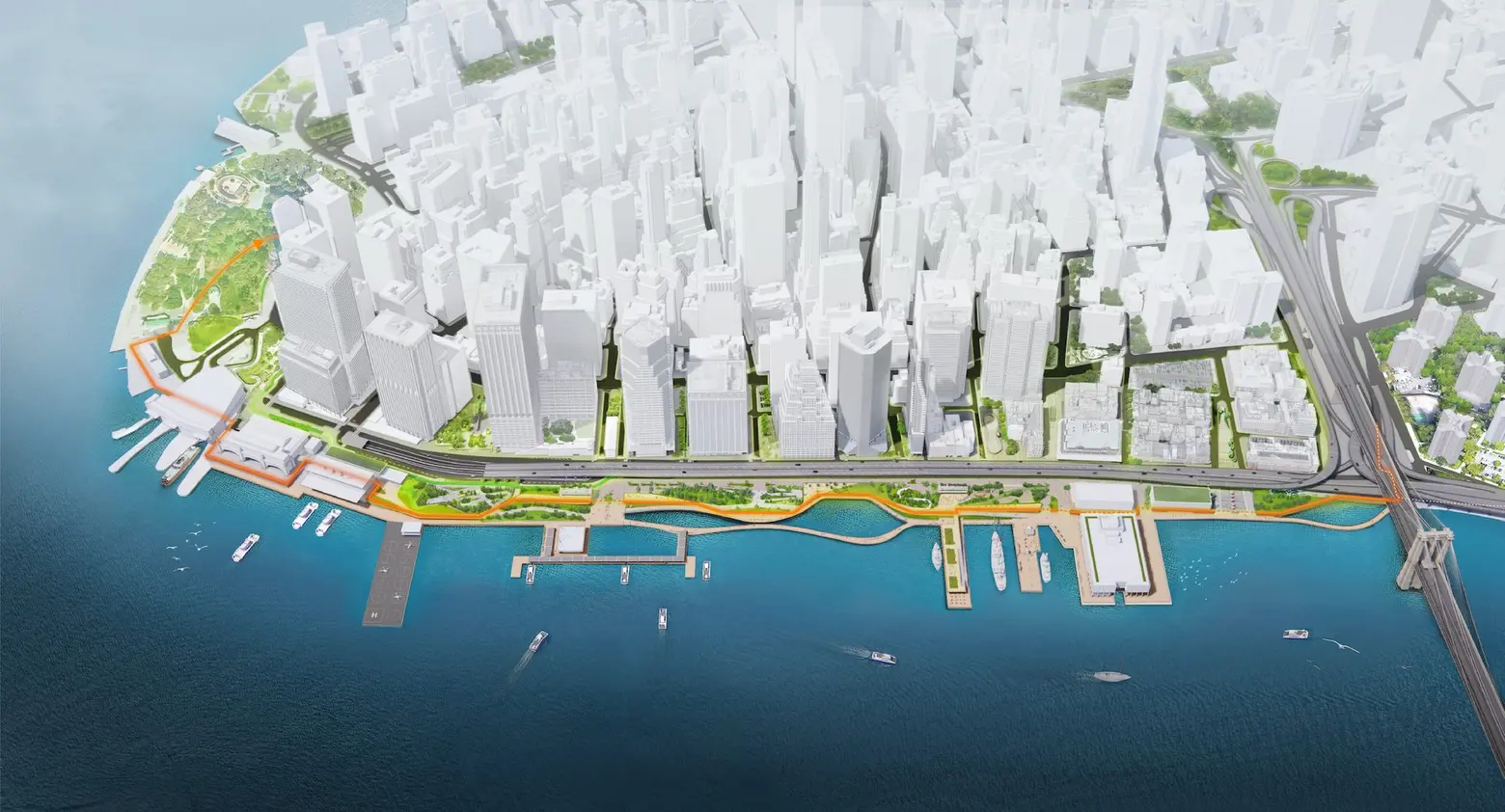
Waterfront residential areas can face changing conditions that affect access, drainage, lighting, utilities, and shared spaces. Careful planning can help homes remain safer when heavy rain, rising water, or structural pressure creates new concerns. Strong routes, reliable power, secure boundaries, and practical upkeep support steady daily routines. Thoughtful preparation helps communities respond calmly to changing conditions, reflecting how Liberty Harbor is building a more resilient waterfront community.
What Makes Infrastructure Adaptable?
Adaptable structures can respond to changing conditions without causing major disruption for households. Raised pathways, stronger barriers, improved drainage, and flexible utility arrangements can reduce exposure during difficult periods. Residential planning also needs room for future upgrades because nearby conditions may develop over time. Simple construction choices can make repairs easier while supporting dependable movement throughout the community.
How Can Safety Improve Daily?
Safety becomes stronger when essential areas remain clear, visible, accessible, and properly maintained. Good lighting can reduce dark spots while secure walkways help people move with greater confidence. Drainage routes should guide excess water away from entrances, pathways, and important utility points. Clear signs can direct households toward safer routes whenever normal access becomes restricted.
- Raised walkways reduce exposure during sudden water level changes.
- Clear lighting improves visibility around entrances during evening hours.
- Strong barriers help protect pathways from unsafe water movement.
- Backup power keeps essential lighting operating during interruptions.
- Marked routes guide residents toward safer access points quickly.
How Does Planning Support Future Needs?
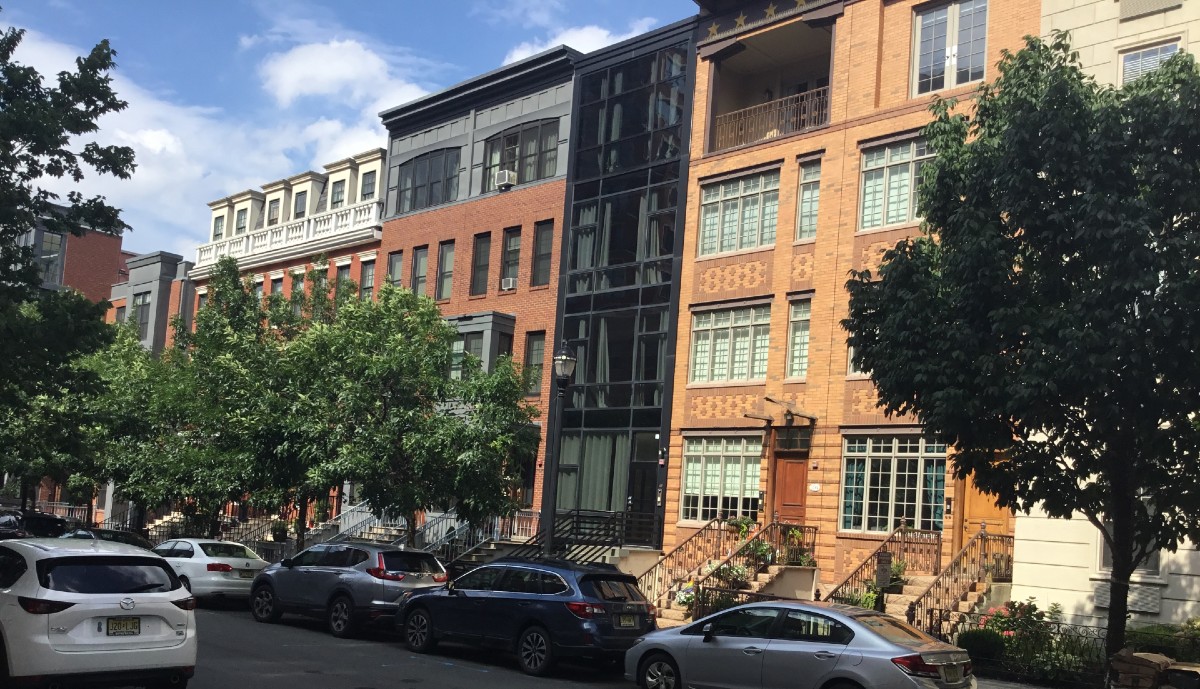
Future-focused planning allows infrastructure to adjust as local conditions change. Residential areas can use flexible layouts that support repairs, upgrades, and safer movement without requiring major rebuilding. how Liberty Harbor is building a more resilient waterfront community reflects the value of preparing for changing safety requirements before problems become difficult to manage.
Strengthening Essential Access Routes
Clear access routes help households move safely when surrounding conditions change. Strong walkways, secure railings, visible signs, and suitable lighting can reduce common movement risks. Residential planning should keep emergency access points open while allowing ordinary movement to continue smoothly. Regular inspections can identify damaged surfaces or blocked passages before they affect safe access.
FAQ
Can adaptable structures reduce risks during changing waterfront conditions?
Yes, flexible designs can reduce exposure while supporting safer daily movement.
Why should access routes receive regular safety checks?
Regular checks identify damage before it creates serious movement hazards.
Can improved drainage protect homes during periods of heavy rainfall?
Yes, effective drainage directs excess water away from important structures.